Why Adults Are Discovering Dance Right Now
Dance isn't just for kids. More adults in Latvia are walking into studios than ever before, and most have zero experience. They're not worried about looking awkward — they're curious about what their bodies can do. The classes are built for people like them. No auditions. No experience required. Just you, the music, and a few hours per week to try something different.
What's changed? Mostly the attitude. Studios used to assume adults wanted private lessons or weren't interested at all. Now there's a group mentality. You're learning with other beginners. Everyone's figuring it out together. It's less intimidating than you'd think.
What Happens in Your First Class
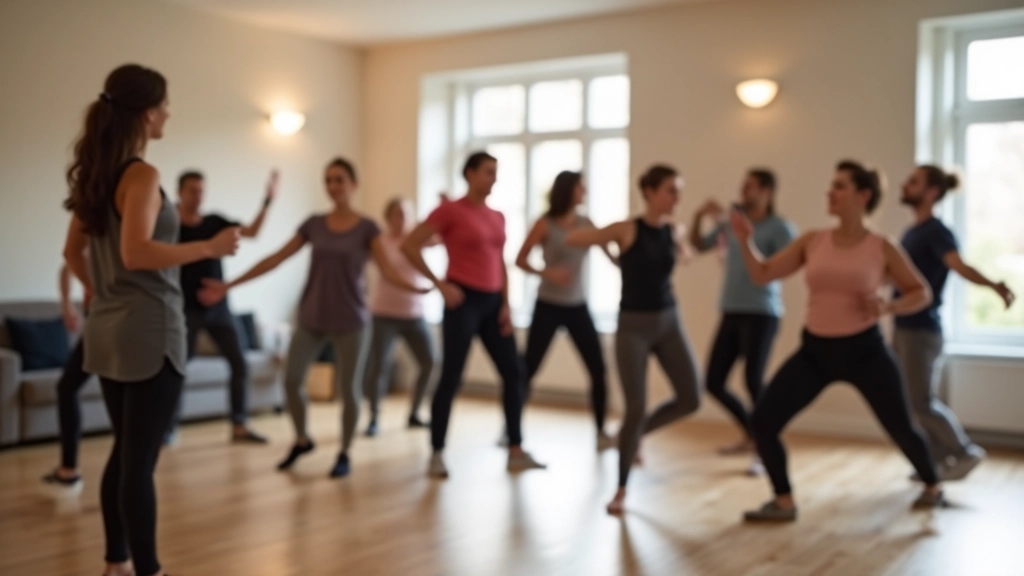
You'll arrive 10 minutes early. The instructor will ask about any injuries or limitations — nothing embarrassing, just practical. Then everyone spreads out in the studio. There's usually space around the edges if you want to watch before joining in.
The first 15 minutes? Warm-up. Stretching, gentle movement, getting your body ready. It's not intense. Then the actual choreography starts. The instructor breaks everything down into small pieces. Step, step, turn. You're not expected to get it perfectly the first time. Most people spend the whole class doing simple versions while a few get the full combo.
By the end you've been moving for about 50 minutes. You're not exhausted unless you went really hard, but you'll feel like you actually did something. Your heart's elevated. Your muscles engaged.
Key Point
Most beginner classes in Latvia run 50-60 minutes, 1-2 times per week. You'll notice real changes in your coordination and confidence within 4-6 weeks if you go consistently.
Different Dance Styles for Different People
Ballroom is popular for adults who want structure and partner work. You're learning waltz, foxtrot, quickstep — dances with actual rules and technique. The rhythm matters. It's methodical, which appeals to people who like knowing exactly what they're supposed to be doing. Plus you've got a partner keeping you accountable.
Contemporary is the opposite. It's about expression and feeling the music in your own way. Less choreography, more improvisation. You're not trying to be perfect — you're exploring how your body wants to move. That attracts people who find ballroom too rigid.
Hip-hop and street jazz sit in the middle. They're choreographed but fun and casual. You're learning cool moves that feel current. The energy is high, the music is modern, and it doesn't require the precision of ballroom.

The Physical Changes You'll Actually Feel
Your legs and feet get stronger. You'll notice it when you're climbing stairs or just standing for longer periods. Your posture improves because the instructor's constantly reminding you to stand tall. Your core tightens because you're balancing, moving side-to-side, and engaging your whole body.
Coordination takes a few weeks. That feeling where your brain can't tell your feet what to do? It passes. By week 4 or 5, your body starts remembering patterns without you having to think so hard.
The biggest change most people report? They sleep better. Dance uses your whole body in a way that's both cardio and strength work. Your nervous system gets a reset. Stress drops.
How to Find Classes in Latvia
Rīga has the most options. Studios like Latvian Dance Centre and smaller independent places offer beginner groups. Many studios advertise on Facebook or have simple websites listing times. Look for classes specifically labeled "absolute beginners" or "no experience needed." Don't settle for a general "beginner" class if you're genuinely new — that sometimes means "beginner-intermediate" which is different.
Outside Rīga, towns like Daugavpils and Liepāja have dance studios too. Class availability varies — some places run sessions seasonally, others year-round. Call ahead or check social media before showing up.
Cost usually ranges from €8-15 per class depending on the style and studio. Most places don't require you to commit upfront. You pay per class or buy a pack of classes if you decide you're in.
What to Bring and Wear
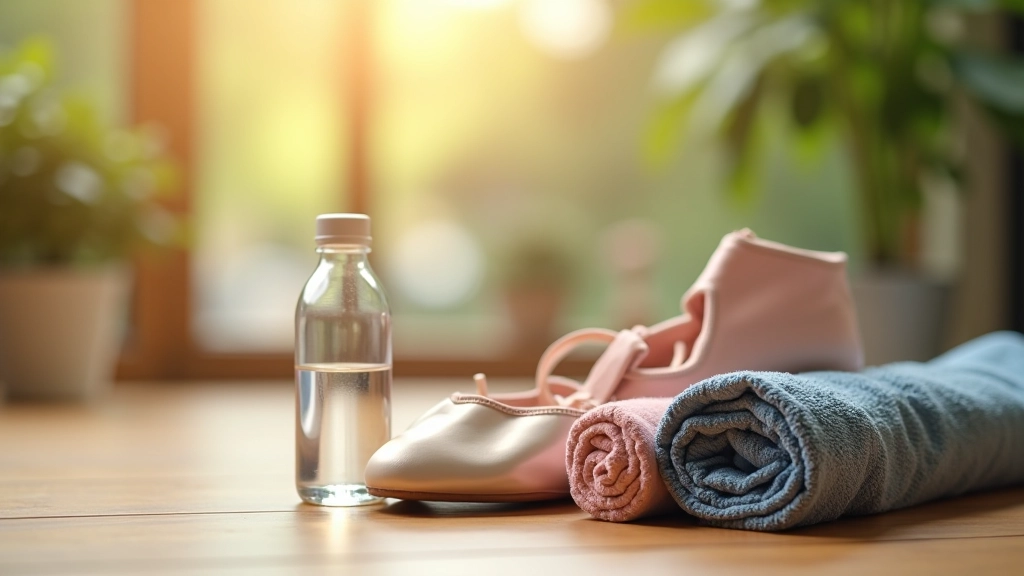
Comfortable clothes that let you move. You don't need special dance wear for your first class. T-shirt and joggers work. Avoid anything too baggy or restrictive. You need to see your body move so you can understand what the instructor is asking you to do.
Shoes depend on the style. For ballroom you'll need proper ballroom shoes — slippery soles so you can turn. For contemporary or jazz, clean sneakers or bare feet are fine. The studio will tell you what's acceptable.
Bring water. Your mouth gets dry from talking and moving. Some studios have a small shop where you can grab a bottle, but don't count on it.
Important Note
This article provides general educational information about beginner dance classes. Individual results and experiences vary based on personal fitness level, prior movement experience, and consistency of participation. If you have existing injuries, mobility concerns, or health conditions, consult with a healthcare provider before starting any new physical activity. Studios will ask about injuries during intake — be honest with them so they can modify movements appropriately.
Starting Is the Hard Part
The biggest barrier to adult dance classes isn't physical — it's mental. You're worried you'll look silly. You'll be the oldest person there. Everyone else will be better. Here's what's actually true: most people in beginner classes feel exactly the same way you do. The instructors have taught hundreds of adults with zero experience. They're not judging. They're just helping you learn something new.
You don't need to be flexible, coordinated, or fit to start. You just need to show up. The rest develops naturally over weeks and months. Pick a style that sounds interesting, find a class that fits your schedule, and go. That's it. Everything else follows from that single decision to try.